
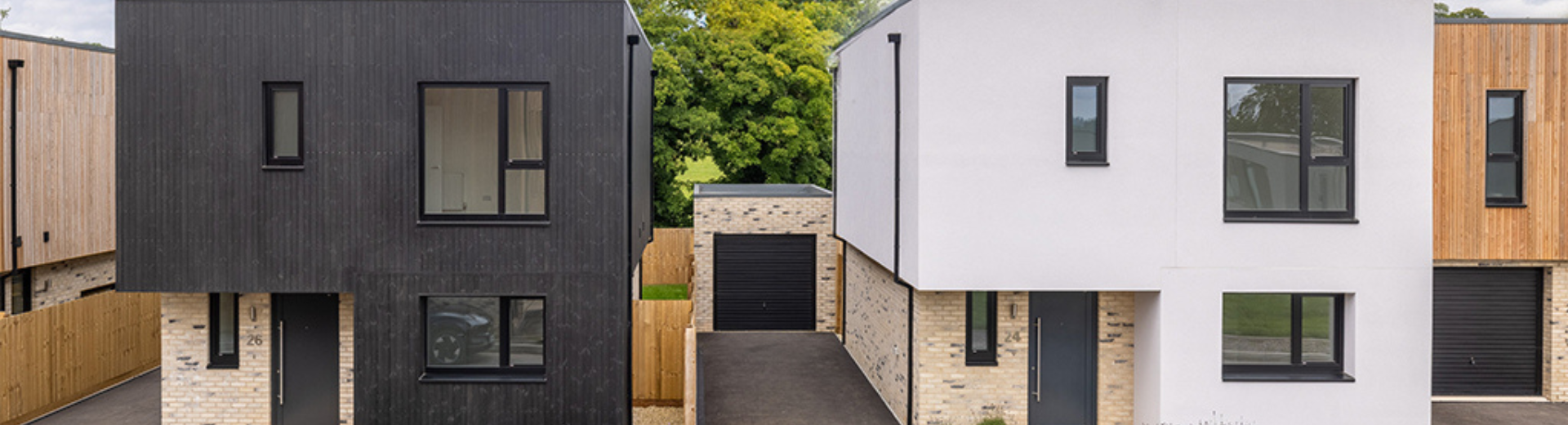
Every home has its character, but the differences between buying a new home vs buying an old property go far beyond aesthetics. Performance, efficiency and long-term costs all play a role in shaping the experience of living in a home. While period properties can carry charm, they often come with ongoing maintenance and higher running costs. New homes offer a more considered alternative — combining modern design with efficiency and reliability, creating a home that works from day one.
The Cost of Retrofitting Older Homes
While upgrades like insulation, heat pumps and solar can improve the efficiency of older homes, the report highlights how expensive and disruptive comprehensive retrofits can be — often costing tens of thousands of pounds and still failing to match the performance of purpose-built modern homes.
Typical retrofit costs can include:
• Solar panels: ~£5,000–£10,000
• Heat pumps: ~£3,000–£10,000 (after grants)
• Major insulation works: ~£12,000–£50,000+
• EV charger install: ~£1,000–£2,000
And that’s before considering multiple upgrades cumulatively to take an older home to the same standard as a new build.
What This Means for Buyers
Buying new home vs old home isn’t just about shiny kitchens or warranties — it’s about lower ongoing costs and future-proofing your home investment:
✅ Save hundreds every year on energy bills.
✅ Move into a comfortable, well-insulated home straightaway.
✅ Avoid disruptive retrofit work and unpredictable performance.
✅ Pay potentially less for heat and energy in the long run.
If you compare new build energy costs vs. older homes with retrofit upgrades, the report suggests that starting with a purpose-built energy efficient home is often a more cost-effective and less disruptive route — particularly if you value comfort, lower bills and long-term savings.
If you have any queries in relation to any of the above please don’t hesitate to call 020 8341 2222 or email sales@acornpg.org.